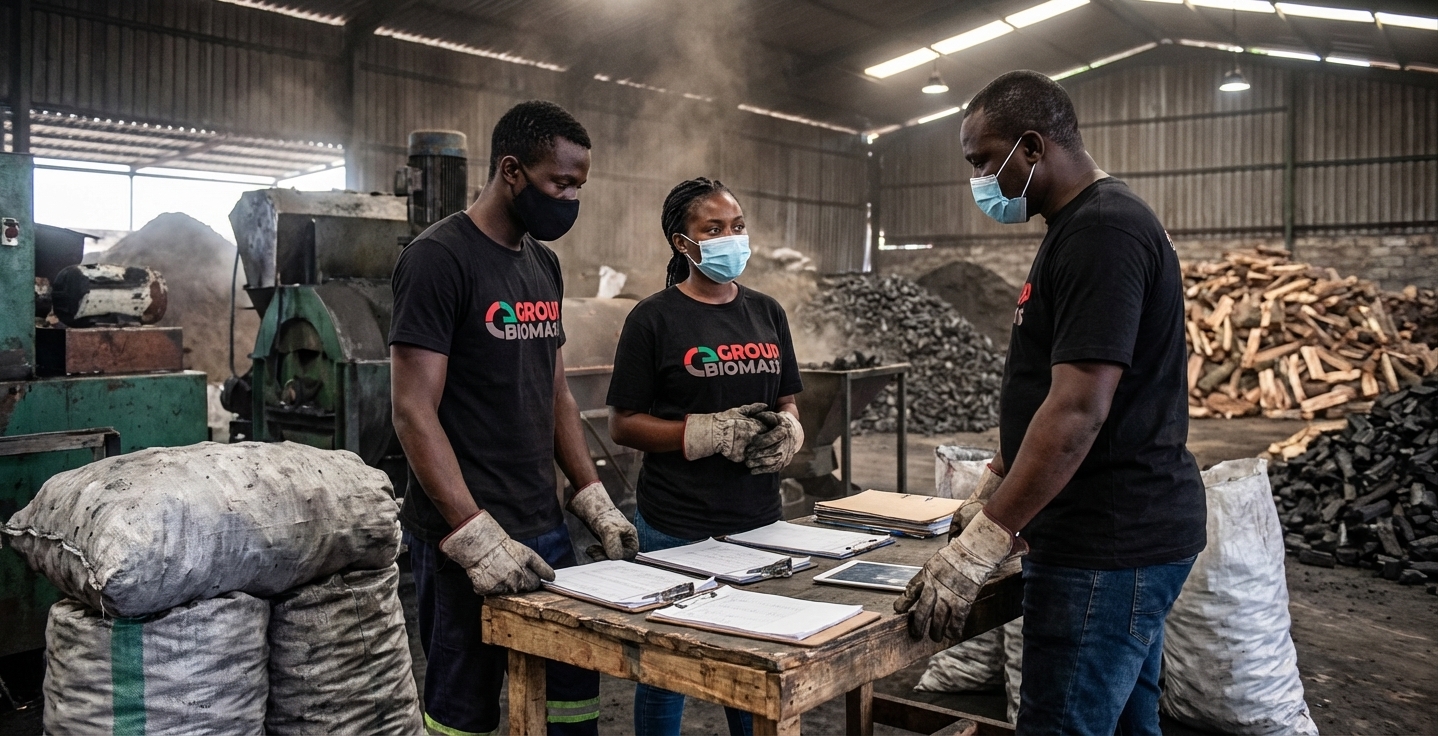
Deep within the country, a significant operation stands as a symbol to the growing demand for charcoal . This commercial complex, reportedly the region’s biggest fuel operation, is drawing attention for both its scale and the possible environmental impact . While providing employment for local communities, the factory's processes are sparking concerns about sustainable forest harvesting and the future preservation of the nation's natural resources.
Hardwood Lump Charcoal Sale Boom: Cameroon’s Promising Player
Cameroon is witnessing a substantial surge in dense lump charcoal exports, positioning itself as a key player in the global industry. Thanks to increasing demand from European US and Asian countries, the nation’s output of this renewable fuel is steadily growing, offering promising prospects for local populations and supporting the national economy. The emphasis on responsibly harvested hardwood lump charcoal is proving to be a major aspect in attracting global investors.
Inside Cameroon’s Hardwood Lump Charcoal Factory: Production & Sustainability
Stepping into a average Cameroon timber lump carbon factory reveals a rather straightforward process of production. Raw wood, often collected from managed areas, are meticulously logged and carried to a oven. Inside, the lumber is carefully heated with minimal oxygen, a method that transforms it to granular charcoal. Although the established methods employed can be difficult, more new factories are integrating better techniques and seeking options to improve the productivity and ecological sustainability. This covers allocating in clean power and implementing thorough waste control approaches.
Cameroon's Charcoal Sector : A Key Role in Global Exports
Despite mounting environmental anxieties, Cameroon’s wood charcoal industry remains a surprising but vital contributor in the global sales landscape. The creation of charcoal from wood is a important source of income for many of Cameroonian communities, particularly in underserved zones. This activity generates a substantial amount of lump charcoal shipped for international markets , often providing cooking needs in hardwood lump charcoal exporter other nations , though this need creates challenges relating to deforestation and sustainable tree management .
Le Choix Contre Charbon En Bloc de Bois et Les Briquettes: Une Point de Vue Camerounaise
Dans le pays, la sélection entre le charbon de bois lump et des briquettes interroge une interrogation . Classiquement, , le combustible de bois a été utilisé afin de son saveur distinctif et son aptitude à donner une chaleur élevée , parfaite pour la cuissons traditionnelles . Néanmoins, , les briquettes , plus disponibles de acquérir et moins économiques , attirent à popularité , notamment chez les communautés urbaines .
Eco-friendly Charcoal Making : The Future of Cameroon’s Forest Sector
The traditional method of charcoal production in Cameroon presents a significant problem to its valuable hardwood forests . However, new sustainable techniques offer a promising path forward. These include technologies like wood waste gasification and kiln-less earth systems, which lessen deforestation, lower emissions, and create livelihood opportunities for local villagers. Embracing these environmentally sound alternatives is essential to preserving Cameroon's natural heritage and securing the long-term sustainability of its hardwood business while mitigating climate change .